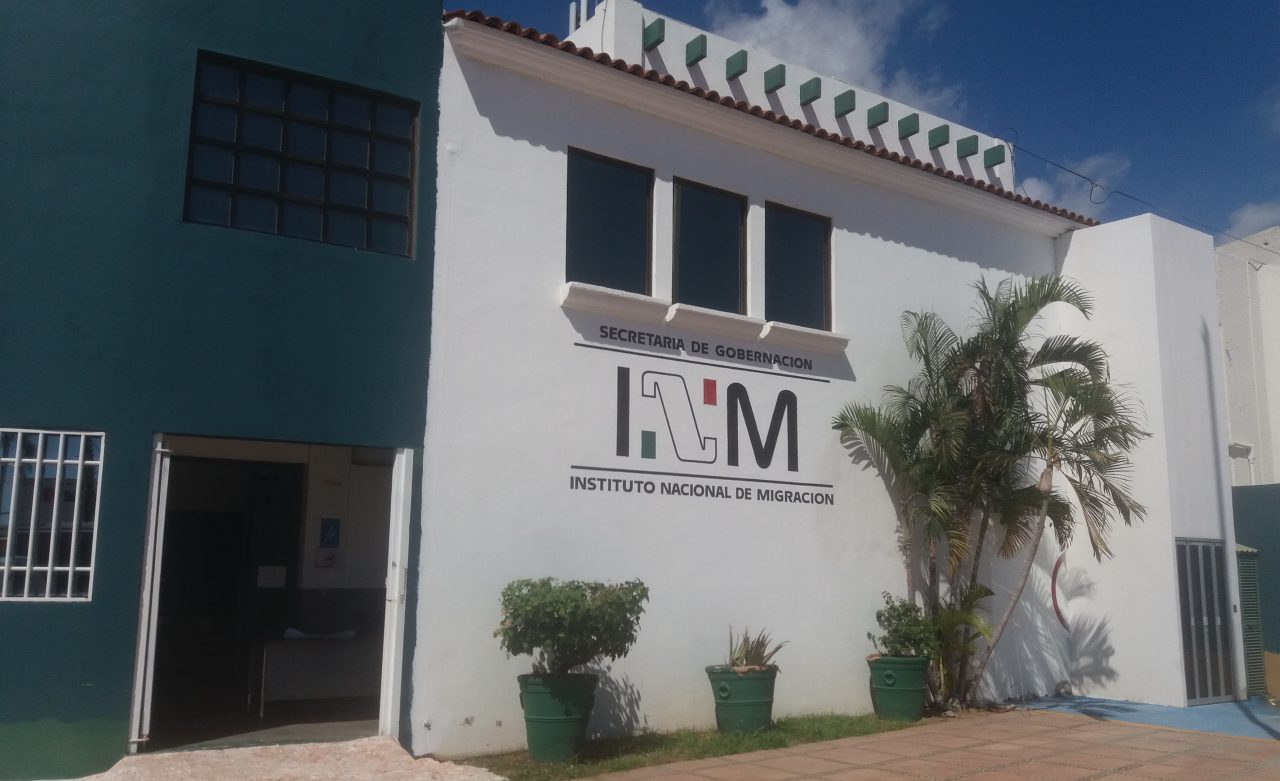
Key Routes to Residency in Mexico

This guide provides a clear overview of the main pathways to obtaining temporary residency in Mexico. We’ll break down the requirements and show you how to start your journey to a new life.
Temporary Residency (Residente Temporal)
This is the most common residency visa, typically valid for 1–4 years and renewable annually. The most frequent ways to qualify include:
Financial Solvency
This is a popular route for retirees and those with remote income. You must demonstrate stable finances through one of two options:
- Income-based: Show a regular monthly income of approximately USD 4,300–4,400 (net).
- Savings-based: Provide proof of USD 150,200 or more in verified bank or investment accounts.
Other Pathways
There are several other ways to qualify for a temporary residency visa:
- Job offer: A Mexican employer can apply for your visa on your behalf.
- Property ownership: You can apply if you own real estate in Mexico valued at around USD 586,000.
- Investment: Make capital investments in a Mexican company totaling about USD 293,000.
- Student or academic purposes: For those enrolled in an official Mexican educational program.
- Family unity: If you have a close relative who is a Mexican citizen or a resident (spouse, parent, or child), you may be eligible.
Final Note
Remember, these figures and requirements can change, so it’s always best to consult with the nearest Mexican consulate or a legal professional for the most current information.
It is common for many people to feel disappointed when Mexican authorities grant them temporary residency, especially if their initial goal was permanent residency.
However, it’s important to understand that, in practice, temporary residency allows you to do most of the things you could with permanent residency, with very few differences. The distinctions are minimal, and we can explore them in a future article.
The most important thing is that temporary residency is an excellent and solid first step toward legally settling in Mexico.
 Mexico Resident Visa Services